THE HAKKA PEOPLE
Guest Families, Resilience, and Community
The Hakka are a Han Chinese cultural group whose name, Kèjiā (客家), is commonly translated as “guest families” or “guest people.” The name reflects a history shaped by movement, adaptation, and the challenge of establishing new communities in places where others had already settled.
Hakka traditions trace their ancestry to several periods of migration from northern and central China toward the south. These movements occurred gradually over many centuries as families sought safety from warfare, famine, political unrest, and economic hardship. Many eventually settled in the hills and more remote areas of Fujian, Guangdong, Jiangxi, and neighboring regions.
Being newcomers was not always easy. Land was often limited, conditions could be difficult, and established communities did not always welcome those arriving from elsewhere. The Hakka learned to adapt without losing their identity. From that experience emerged a culture known for resilience, cooperation, practicality, and strong family bonds.
A LIFE BUILT AROUND FAMILY
Family occupies a central place in traditional Hakka life. Respect for parents and ancestors helped connect one generation to the next, while extended families often worked together to farm, build homes, prepare food, and care for children and older relatives.
Hard work was not simply admired; it was necessary. Families cultivated difficult land, raised animals, preserved food, repaired what they owned, and avoided unnecessary waste. Every member of the household had responsibilities, and survival often depended upon cooperation.
Stories also played an important role. Long before families could easily record every detail of their past, memories were preserved through spoken accounts, songs, customs, and family traditions. These stories carried knowledge about earlier generations and reminded younger family members where they came from.
THE COMMUNAL HOMES OF FUJIAN
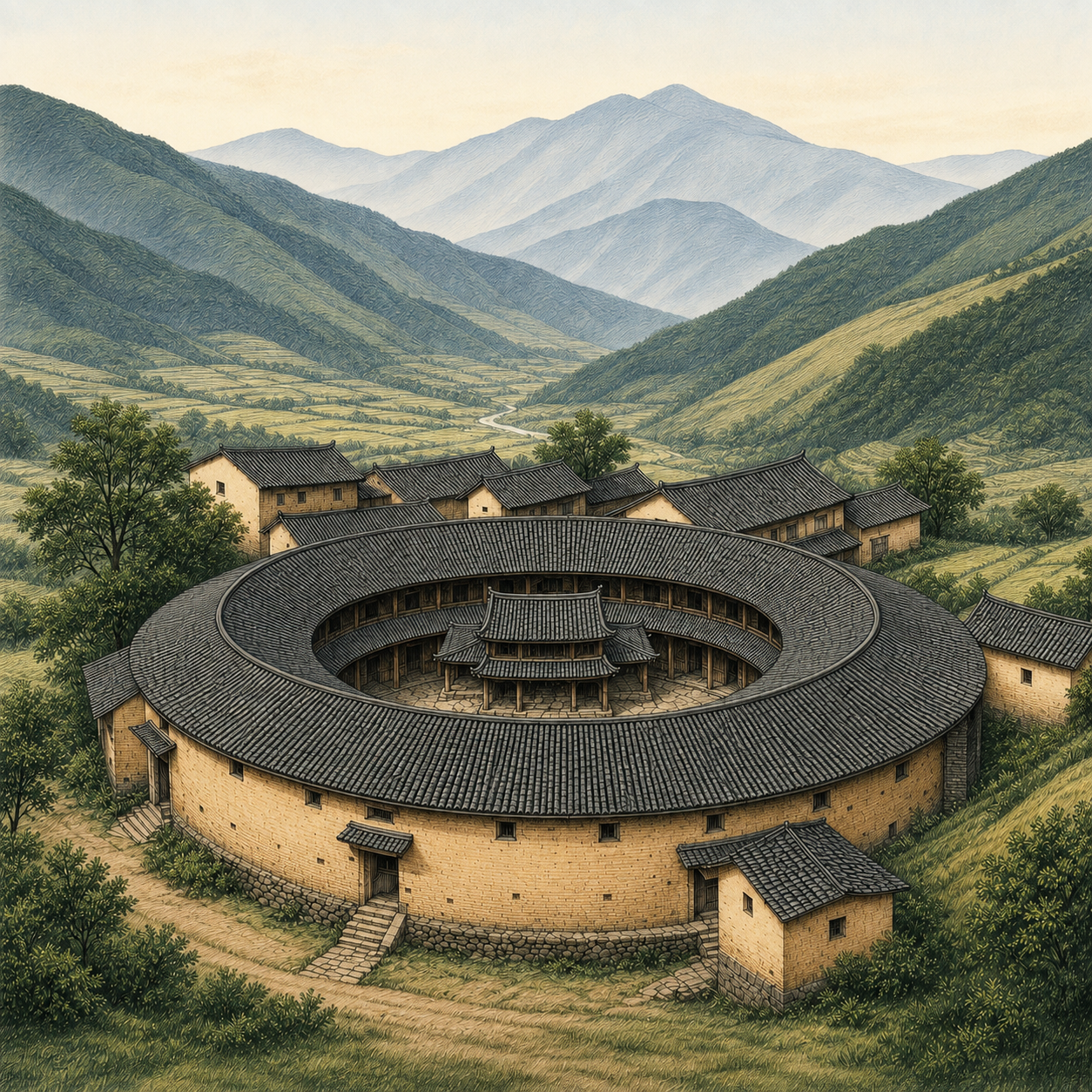
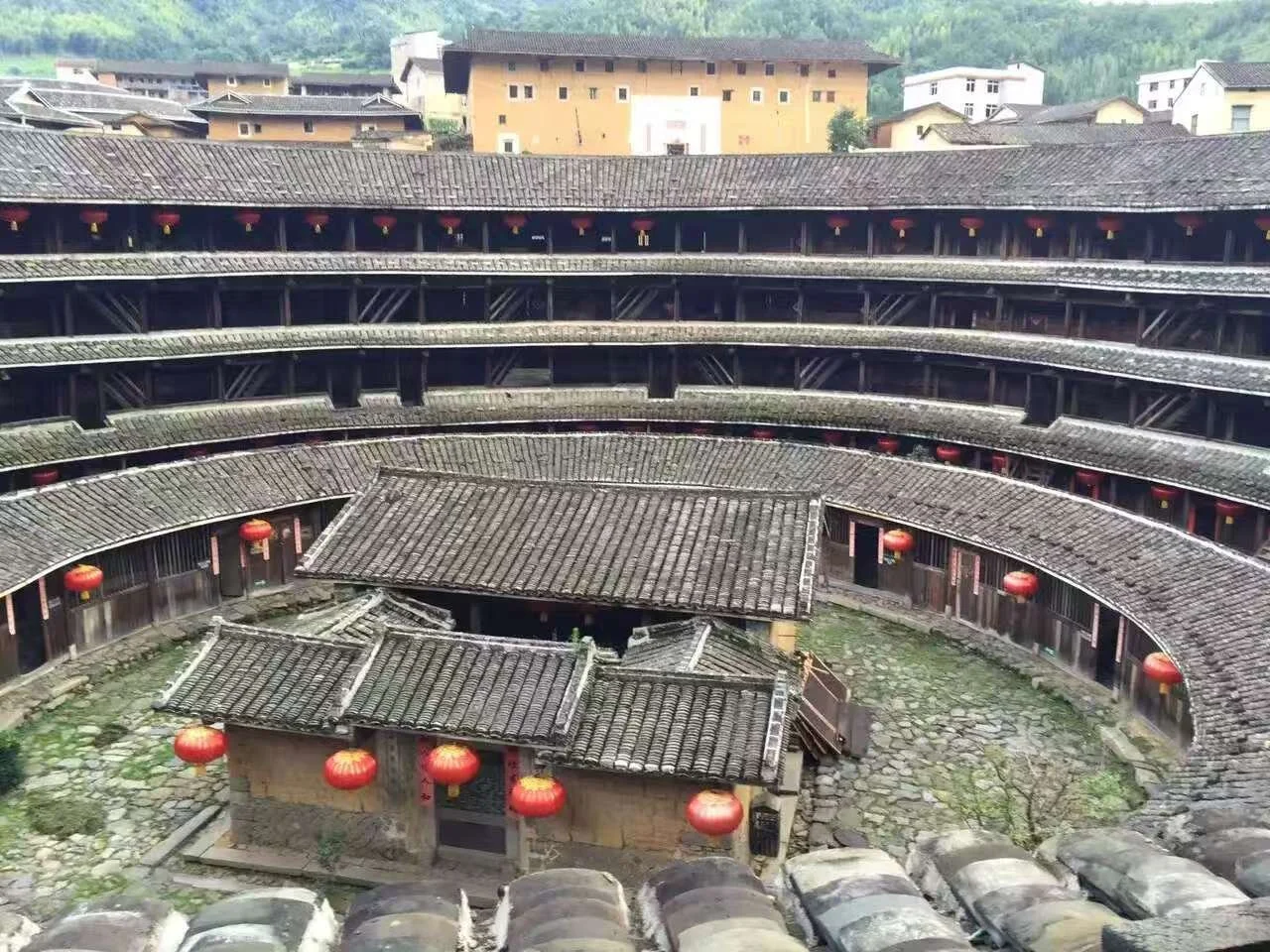
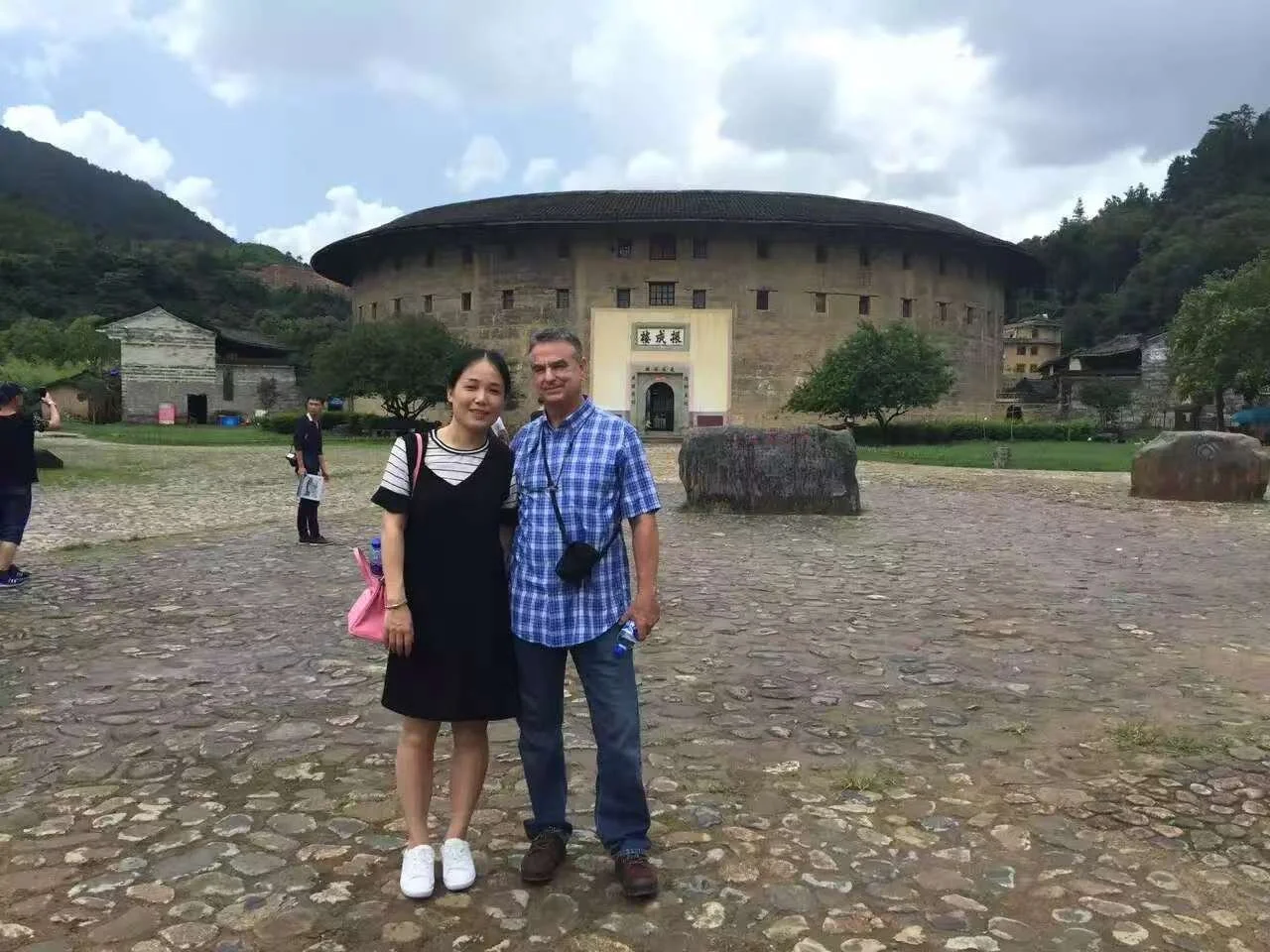
One of the most recognizable forms of architecture associated with some Hakka communities in Fujian is the tulou. These enormous earthen homes were usually constructed in circular or square forms around a central courtyard.
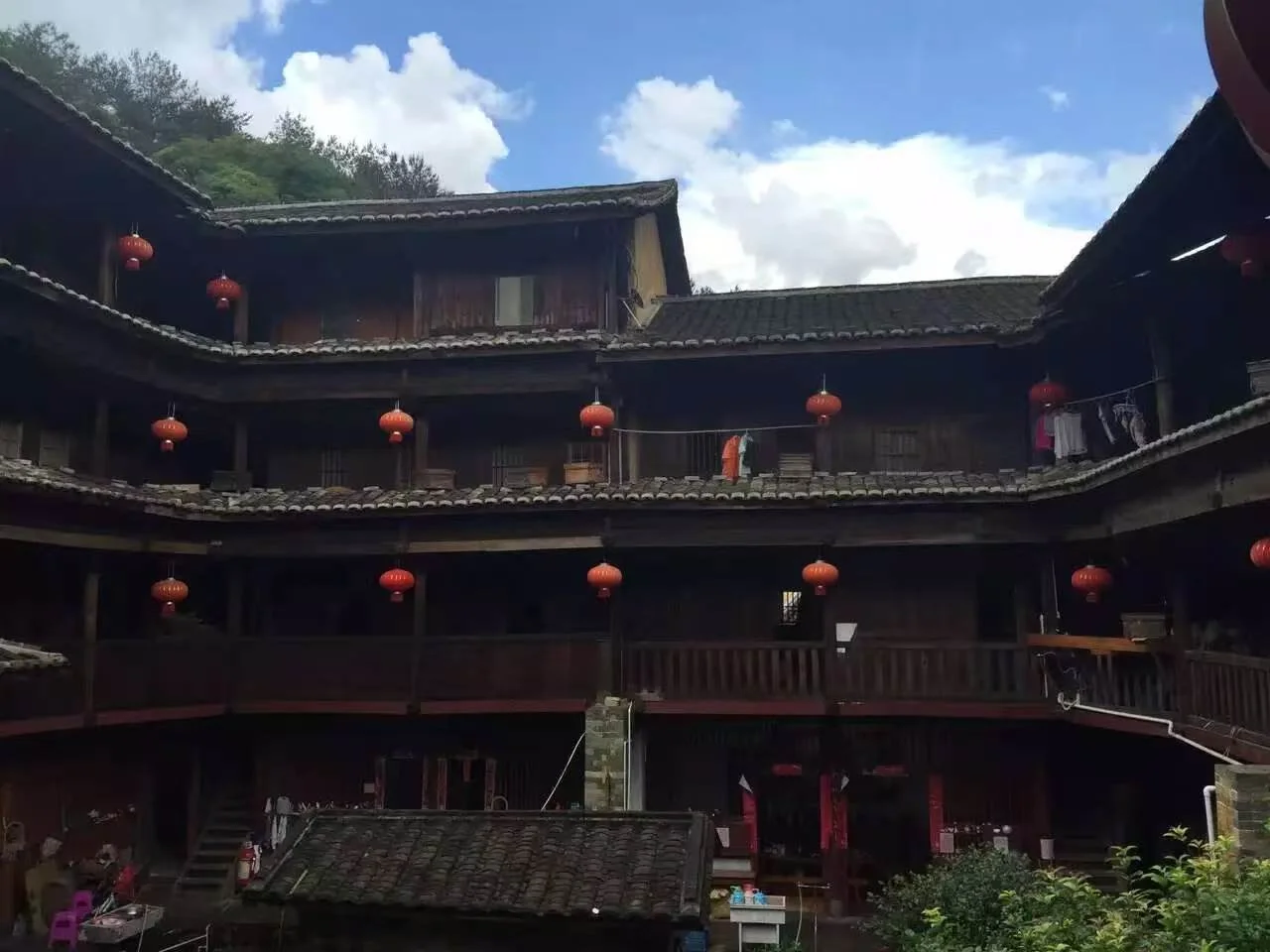
A tulou could shelter an entire clan under one roof. Families occupied rooms arranged across several stories, while the open courtyard provided a shared space for work, ceremonies, conversation, and everyday life. Thick earthen walls, limited exterior windows, and a single main entrance also offered protection during uncertain times.
The design reveals something important about the communities that built them. Individual families had their own living spaces, but everyone remained part of a larger whole. Protection, responsibility, and daily life were shared.
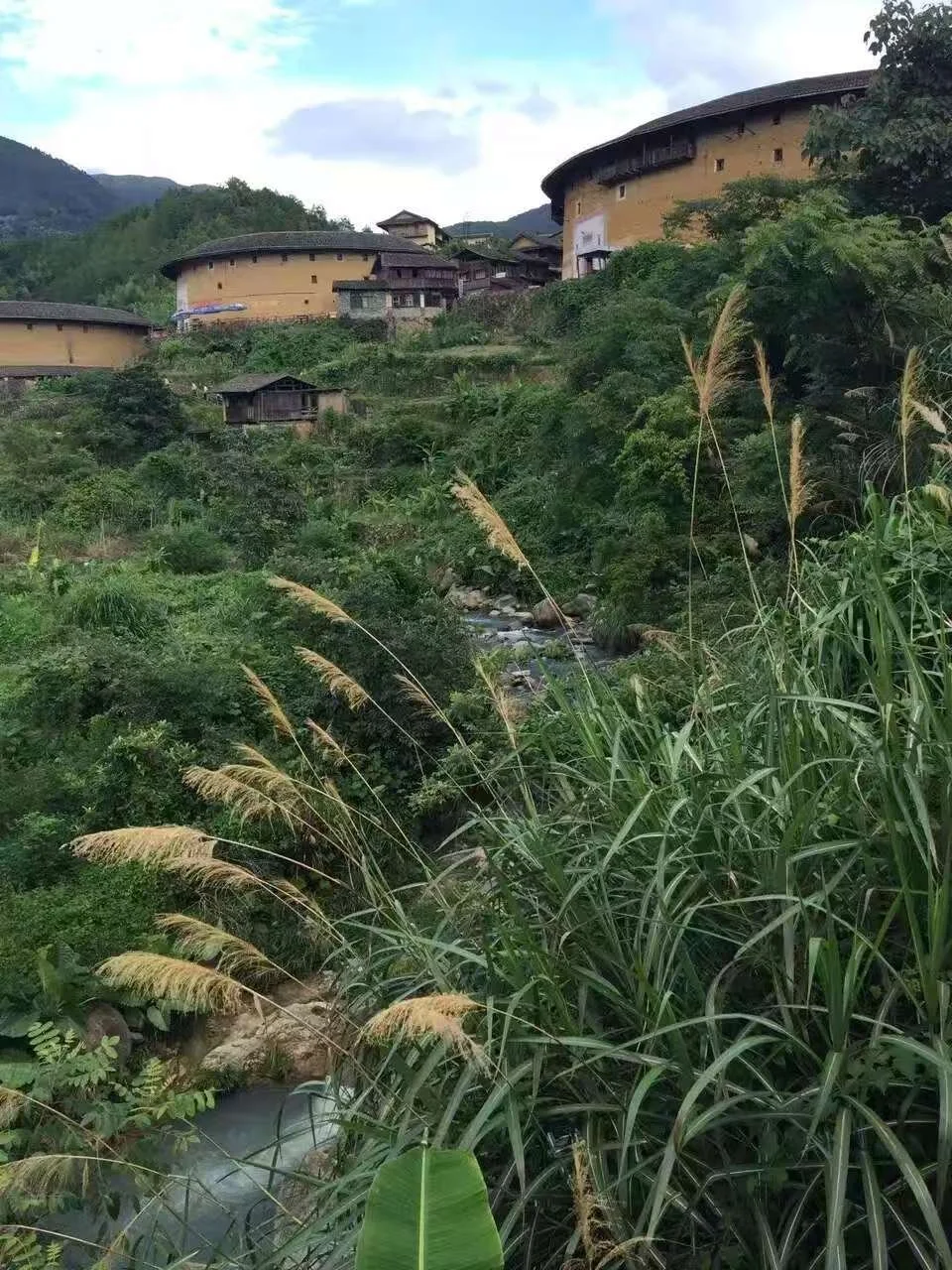
These remarkable buildings are especially meaningful to me because the tulou region is only about an hour from where I live in Fujian. Seeing them within the surrounding mountains and farmland makes their history feel immediate. They are not merely unusual structures from the past; they are reminders of how families created security and belonging through cooperation.
FOOD SHAPED BY NECESSITY
Traditional Hakka cuisine reflects the same practical spirit. Many dishes are hearty, nourishing, and designed to sustain people through demanding work. Salting, drying, pickling, and fermenting helped families preserve ingredients and prepare for times when fresh food might be limited.
Nothing was wasted unnecessarily. Meals were shaped by what the land provided and by the knowledge passed down through generations. Food was not only nourishment; it was also an expression of discipline, hospitality, and care.
A QUIET FORM OF RESILIENCE
The Hakka spirit does not need to announce itself. It can be found in the determination to continue after hardship, the willingness to begin again in an unfamiliar place, and the commitment to preserve family and tradition without refusing change.
This quiet resilience helped inspire the world of Winter Honey. The novel is fictional, but the values surrounding Ah Ying and her village were influenced by real qualities I encountered in Hakka communities: closeness to the land, respect for older generations, practical generosity, and a deep awareness that the past remains part of the present.
Understanding the Hakka people offers another way to enter the world of Winter Honey. Behind its fictional village, its beekeeping traditions, and its hidden guardians lies a culture shaped by movement, memory, community, and the determination to endure.